
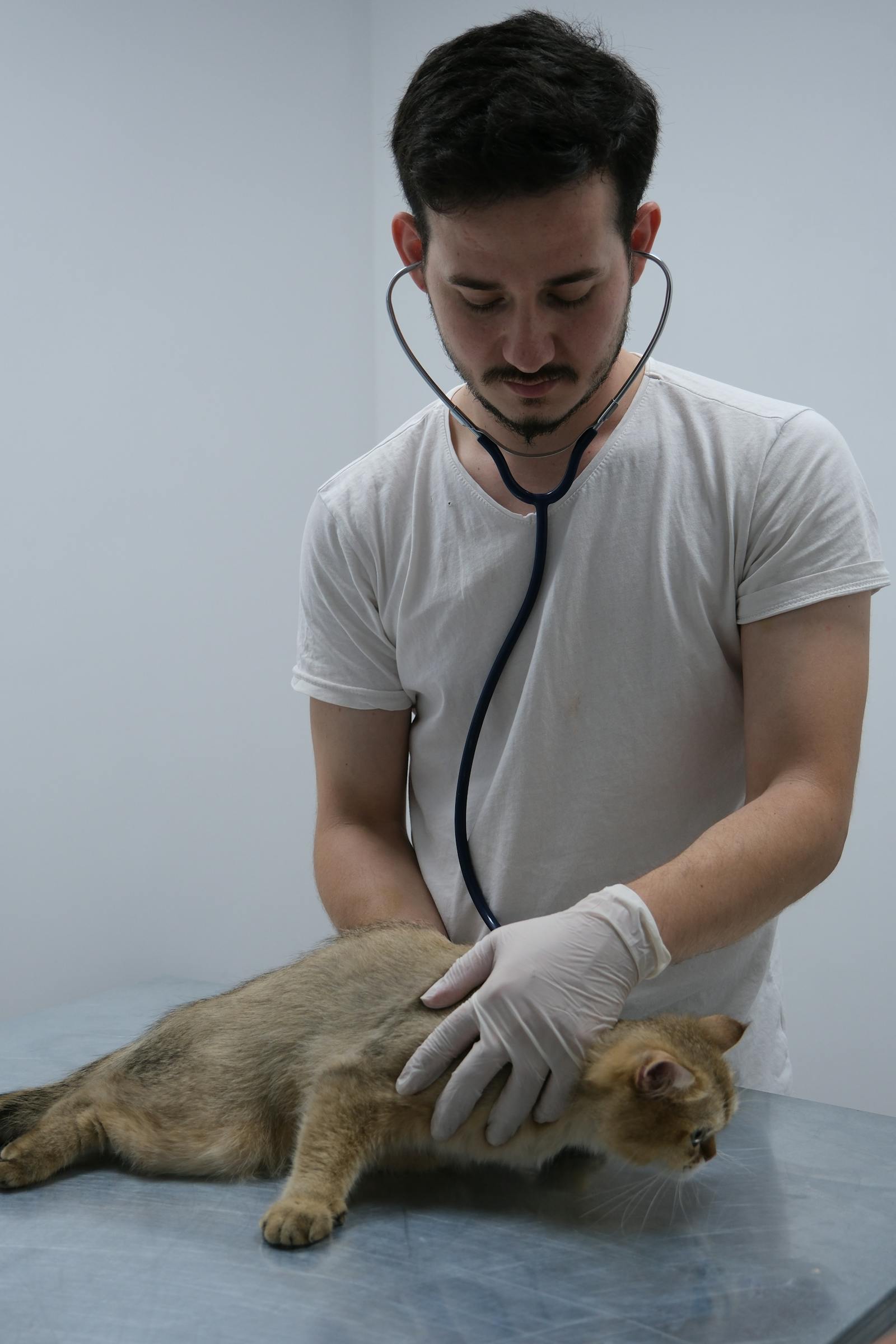
Trap-Neuter-Return is not a feel-good euphemism — it is the only intervention with the math to actually reduce stray populations long-term.
Let's start with the uncomfortable truth: traditional pound systems and "removal" programs don't reduce stray populations. They create a vacuum that gets refilled, often by stressed, intact animals from neighboring territories. This is called the "vacuum effect" and it's been documented in stray populations on five continents.
TNR does three things at once:
First, it stops reproduction at the source. A single unspayed female cat can be responsible for thousands of descendants over her lifetime. Spay her once and that branch of the population graph stops growing.
Second, it keeps territorial dynamics stable. Sterilized animals stay in their territory and discourage new intact animals from moving in. No vacuum, no influx.
Third, it improves the welfare of the existing population. Sterilized animals fight less, roam less, and live longer. Spay/neuter is preventive medicine, not just population control.
This is Phase 2 of our roadmap. We can't activate it until we have the funding and veterinary partnerships in place. But it's not negotiable as the next step. Feeding without TNR is compassionate but it is also, statistically, accelerating the problem. A well-fed stray is a healthier stray, and a healthier stray reproduces more successfully. The Full Belly Project buys us time to build the infrastructure that ends the cycle.